TAVNEOS remains available. For questions about the recent updates on TAVNEOS® and what this means for you, please review Amgen's Statement
This link is updated regularly to keep the community informed on the latest information.

Indication: TAVNEOS (avacopan) is indicated as an adjunctive treatment of adult patients with severe active anti-neutrophil cytoplasmic autoantibody (ANCA)-associated vasculitis (granulomatosis with polyangiitis [GPA] and microscopic polyangiitis [MPA]) in combination with standard therapy including glucocorticoids. TAVNEOS does not eliminate glucocorticoid use.

Indication: TAVNEOS (avacopan) is indicated as an adjunctive treatment of adult patients with severe active anti-neutrophil cytoplasmic autoantibody...

Indication: TAVNEOS (avacopan) is indicated as an adjunctive treatment of adult patients with severe active anti-neutrophil cytoplasmic autoantibody (ANCA)-associated vasculitis (granulomatosis with polyangiitis [GPA] and microscopic polyangiitis [MPA]) in combination with standard therapy including glucocorticoids. TAVNEOS does not eliminate glucocorticoid use.

Read more Read less
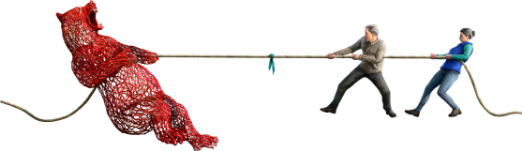
Tug-o-war.png Tug-o-war.png
overlay image overlay image

Patients with severe active GPA or MPA experiencing new, persistent, or worsening signs and/or symptoms may need a TWO-ON-ONE approach with TAVNEOS®1,2

Patient Overview

Are your patients candidates for TAVNEOS®? Explore the patient profiles below

TAVNEOS® can be initiated alongside or added to standard therapy for adults with severe active GPA or MPA.1-3

The following hypothetical patient profiles include common characteristics that you may see in your patients with severe active GPA or MPA who could benefit from TAVNEOS®. They are informational only and should not replace your clinical decision-making regarding diagnoses and treatment. Healthcare providers are solely responsible for clinical decisions.

Nina

Newly Diagnosed

Severe active GPA with renal and lung involvement, planning her initial management approach

Dan 

Dependent on Prednisone 

Signs of severe active MPA return with attempts to taper prednisone

Rebecca

Relapsing Disease

Previously in remission, but now experiencing a relapse of severe active GPA

Ron

Refractory Disease

Despite seeing some improvement to signs and symptoms after completing induction therapy, manifestations of severe active MPA remain

GPA = granulomatosis with polyangiitis; MPA = microscopic polyangiitis.

Meet Nina


51-year-old female


Diagnosis: Severe active GPA

Initial Assessment

Presentation

  • Initially presented to her PCP for difficulty breathing, fatigue, recurrent fevers, sinus and ear infections, and joint pains
  • Treated with antibiotics but was nonresponsive to therapy, with symptoms worsening over several months

Physical Exam

  • Diffuse sinus tenderness
  • Bilateral ear effusions
  • Erythema of tympanic membranes
  • Bilateral crackles on pulmonary exam
  • Synovitis of wrists and hands
  • Purpura on bilateral lower extremities

Labs and Imaging4

  • SCr: 1.5 mg/dL (ref: 0.5–1.10 mg/dL)
  • eGFR: 42 mL/min/1.73 m2 (ref: >60 mL/min/1.73 m2)
  • ESR: 101 mm/hr (ref: ≤20 mm/hr)
  • Hgb: 12.0 g/dL (ref: 12–16 g/dL)
  • Chest CT: Bilateral confluent ground-glass and consolidative opacities in the lungs
  • Sinus CT: Pansinusitis
  • ANCA: +c-ANCA, +PR3-ANCA

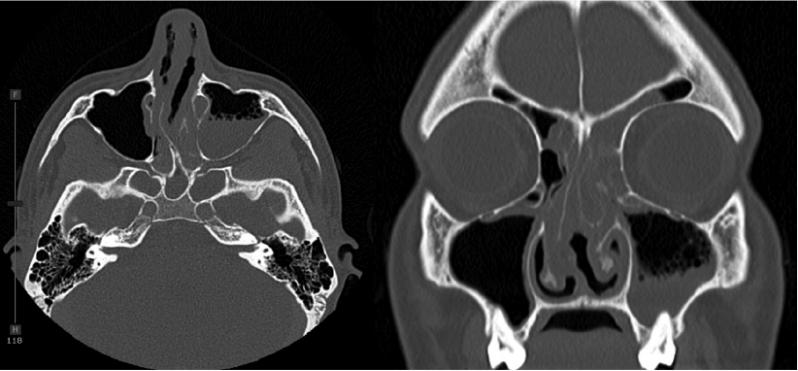
CT reveals complete opacification of left front and left sphenoid sinus5

CT reveals complete opacification of left front and left sphenoid sinus5 

Image used with permission from Lakhani DA, et al. Radiol Case Rep.

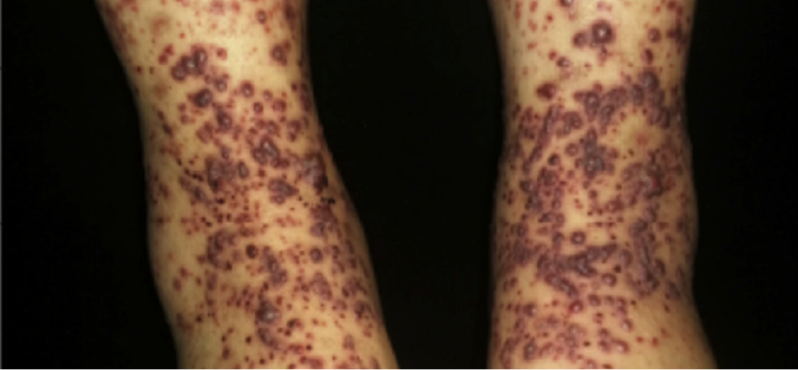
Bilateral lower extremity purpura6

Bilateral lower extremity purpura6

Image used with permission from Yang J, et al.


Treatment Plan

Nina and her doctor decided to initiate treatment:

  • TAVNEOS® 30 mg BID

  • Rituximab 375/m2 IV weekly for 4 weeks

  • Pulse IV methylprednisolone (1,000 mg daily for 3 days) that was transitioned to oral prednisone (80 mg/day) with planned taper

ANCA = anti-neutrophil cytoplasmic antibody; BID = twice daily; c-ANCA = cytoplasmic ANCA; CT = computed tomography; eGFR = estimated glomerular filtration rate; ESR = erythrocyte sedimentation rate; Hgb = hemoglobin; IV = intravenous; PCP = primary care provider; PR3 = proteinase 3; SCr = serum creatinine.

Meet Dan


45-year-old male


Diagnosis: Severe active MPA

Presentation

  • Initially presented to ED with polyarticular migratory joint pain, hematuria, abdominal angina, and acute kidney injury
  • 20-lb weight loss
  • Past medical history of hypertension and hyperlipidemia

Physical Exam

  • BP: 150/84 mm Hg
  • Abdomen soft, nontender, nondistended
  • Lower extremity pitting edema

Labs and Imaging4

  • SCr: 1.6 mg/dL (ref: 0.7–1.3 mg/dL)
  • eGFR: 55 mL/min/1.73 m2 (ref: >60 mL/min/1.73 m2)
  • Urinalysis: RBC+, RBC casts
  • ESR: 55 mm/hr (ref: ≤15 mm/hr)
  • CRP: 15 mg/L (ref: ≤0.8 mg/L)
  • Hgb: 12 g/dL (ref: 14–18 g/dL)
  • ANCA: +p-ANCA, +MPO-ANCA

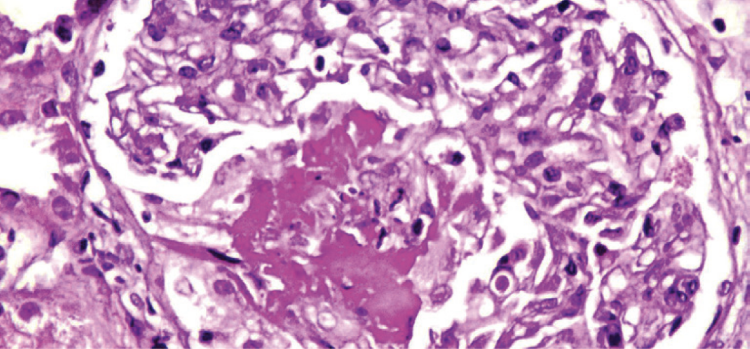
Kidney biopsy indicates necrotizing, pauci-immune glomerulonephritis7

Kidney biopsy indicates necrotizing, pauci-immune glomerulonephritis7

Image used with permission from Lionaki, et al.


Treatment Plan

Dan was started on an induction regimen:

  • 4 weekly doses of IV rituximab (375 mg/m2)
  • Oral prednisone (1 mg/kg) tapered to 10 mg daily over 4 months
  • At 4 months, he was transitioned to a maintenance regimen of rituximab 500 mg IV every 6 months and a planned taper of his oral prednisone to 5 mg daily over 4 weeks

ANCA = anti-neutrophil cytoplasmic antibody; BP = blood pressure; CRP = C-reactive protein; ED = emergency department; eGFR = estimated glomerular filtration rate; ESR = erythrocyte sedimentation rate; Hgb = hemoglobin; IV = intravenous; MPA = microscopic polyangiitis; MPO = myeloperoxidase; p-ANCA = perinuclear ANCA; RBC = red blood cell; SCr = serum creatinine

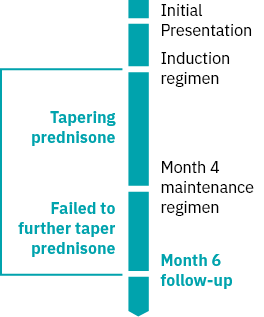
Presentation

  • Dan presents for his 6-month follow-up
  • He has reported persistent low-level joint pain, episodic sinus congestion with bloody discharge, and occasional dark or foamy urine
  • He has noted weight gain, frequent bruising, and difficulty sleeping since starting treatment for his MPA
  • Over the past 2 months, attempts to taper his prednisone to 5 mg have led to recurrent hematuria and worsening fatigue, requiring a return to the 10-mg daily dose to manage these signs and symptoms

Physical Exam

  • BP: 140/86 mm Hg
  • Erythematous nasal mucosa with crusting
  • Diffuse muscle tenderness

Labs and Imaging4

  • SCr: 1.8 mg/dL (ref: 0.7–1.3 mg/dL)
  • eGFR: 48 mL/min/1.73 m2 (ref: >60 mL/min/1.73 m2)
  • Urinalysis: RBC+, proteinuria, RBC casts
  • ESR: 55 mm/hr (ref: ≤15 mm/hr)
  • Hgb: 12.8 g/dL (ref: 14–18 g/dL)

Treatment Plan

Dan and his doctor decide to add TAVNEOS® (avacopan) 30 mg BID to his current treatment plan to help achieve remission and reduce his glucocorticoid exposure

BID = twice daily; BP = blood pressure; eGFR = estimated glomerular filtration rate; ESR = erythrocyte sedimentation rate; Hgb = hemoglobin; MPA = microscopic polyangiitis; RBC = red blood cell; SCr = serum creatinine.

Meet Rebecca


42-year-old female


Diagnosis: Relapse of severe active GPA

Presentation

  • Polyarthritis previously diagnosed as RA
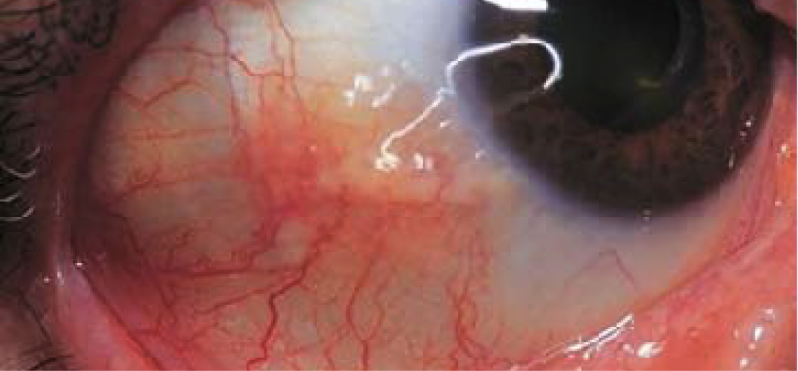
  • Presented with recurrent sinus ulcers, bilateral otitis media, and scleritis
  • Hospitalized for cough and dyspnea

    Labs and Imaging4

    • SCr: 1.6 mg/dL (ref: 0.5–1.10 mg/dL)
    • eGFR: 41 mL/min/1.73 m2 (ref: >60 mL/min/1.73 m2)
    • ANCA: +c-ANCA, +PR3-ANCA
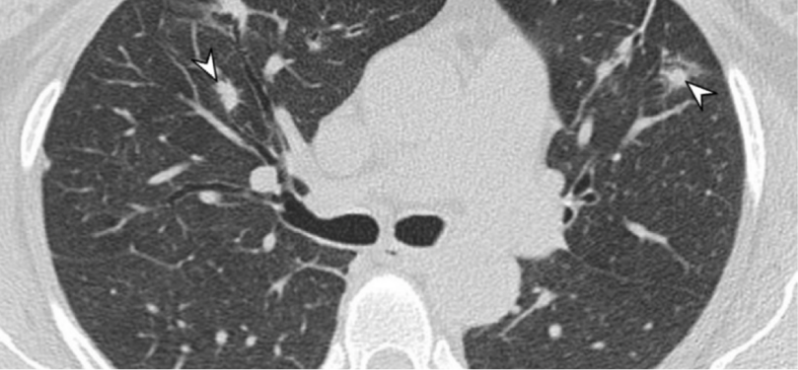
    • Chest CT: ground-glass opacities in the lungs
    • Sinus CT: pansinusitis with ulceration and erosion of the nasal cavity and paranasal sinus walls

    Scleritis

    Scleritis

    Image used with permission from Macarie SS, et al.

    Chest CT showing ground-glass opacities

    Chest CT showing ground-glass opacities

    Image used with permission from Palmucci S, et al.


    Treatment Plan

    After being diagnosed with severe active GPA, Rebecca started induction therapy:

    • Rituximab 375 mg/m2 IV weekly for 4 weeks
    • Daily oral prednisone of 1 mg/kg tapered to 5 mg over 4 months

    Maintenance therapy:

    • Rituximab 500 mg IV every 6 months and oral prednisone 5 mg daily

    ANCA = anti-neutrophil cytoplasmic antibody; c-ANCA = cytoplasmic ANCA; CT = computed tomography; eGFR = estimated glomerular filtration rate; GPA = granulomatosis with polyangiitis; IV = intravenous; PR3 = proteinase 3; RA = rheumatoid arthritis; SCr = serum creatinine.

    Presentation

    • Received rituximab maintenance therapy approximately 3 months prior
    • Reports frequent nosebleeds, cough, and shortness of breath that has been worsening over the past several weeks
    • Examination reveals sinus ulcerations and bilateral pulmonary crackles

    Treatment Plan

    Rebecca and her doctor decide to combine TAVNEOS® (avacopan) 30 mg BID with IV rituximab and prednisone for reinduction therapy

    BID = twice daily; IV = intravenous.

    Meet Ron


    55-year-old male


    Diagnosis: Refractory severe active MPA

    Presentation

    • Initially presented noting fevers, myalgia, and reduced sensation in lower extremities over the past several months
    • Past medical history of hypertension

      Physical Exam

      • Reduced pin-prick sensation
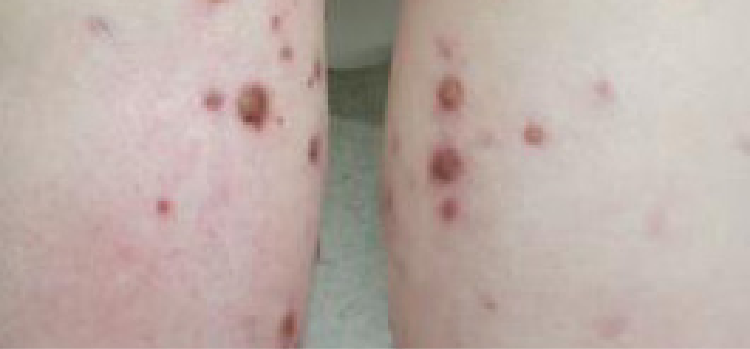
      • Purpura on lower extremities

      Labs and Imaging4

      • HbA1c: 5.5% (ref: 4.0%-5.6%)
      • SCr: 2.1 mg/dL (ref: 0.7-1.3 mg/dL)
      • eGFR: 36 mL/min/1.73 m2 (ref: >60 mL/min/1.73 m2)
      • Urinalysis: +RBC, proteinuria, RBC casts
      • ESR: 52 mm/hr (ref: ≤15 mm/hr)
      • ANCA: +p-ANCA, +MPO
      • Kidney biopsy: 60% crescents, minimal interstitial fibrosis, negative IF for IgG and IgM

      Purpura on bilateral lower extremities

      Purpura on bilateral lower extremities

      Image used with permission from Shaw.


      Treatment Plan

      Ron was started on an induction regimen:

      • Rituximab 375 mg/m2 IV weekly for 4 weeks
      • Oral prednisone 60 mg daily tapered over 12 weeks

      ANCA = anti-neutrophil cytoplasmic antibody; eGFR = estimated glomerular filtration rate; ESR = erythrocyte sedimentation rate; HbA1c = hemoglobin A1c; IF = immunofluorescence; IgG = immunoglobulin G; IgM = immunoglobulin M; IV = intravenous; MPA = microscopic polyangiitis; MPO = myeloperoxidase; p-ANCA = perinuclear ANCA; RBC = red blood cell; SCr = serum creatinine.

      Presentation

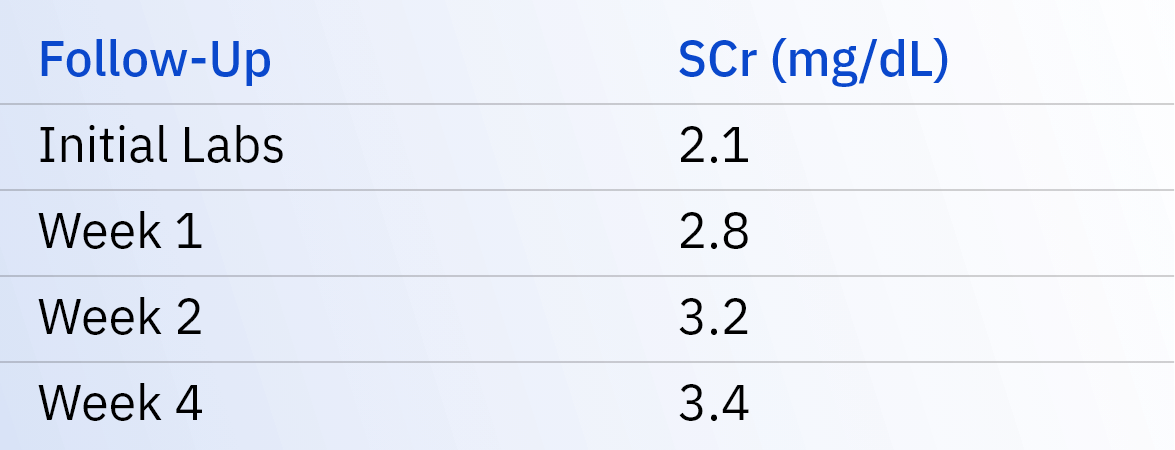
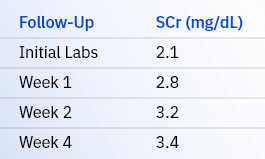
      • At week 4, despite treatment, his SCr continues to rise
      • At week 4, Ron presents with complaints of continued muscle pains and more reduced sensation in lower extremities
      • Ron is experiencing refractory, severe active MPA

        Physical Exam

        • Purpura of lower extremities

        Labs and Imaging4

        • HbA1c: 5.6% (ref: 4.0%-5.6%)
        • SCr: 3.4 mg/dL (ref: 0.7-1.3 mg/dL)
        • eGFR: 20 mL/min/1.73 m2 (ref: >60 mL/min/1.73 m2)
        • Urinalysis: +RBC, proteinuria, RBC casts
        • ESR: 35 mm/hr (ref: ≤15 mm/hr)

        Treatment Plan

        Ron and his doctor decide to add TAVNEOS® (avacopan) 30 mg BID to his current treatment regimen to help address ongoing disease activity

        BID = twice daily; eGFR = estimated glomerular filtration rate; ESR = erythrocyte sedimentation rate; HbA1c = hemoglobin A1c; MPA = microscopic polyangiitis; RBC = red blood cell; SCr = serum creatinine.

        For your patients who could benefit from TAVNEOS®,
        here’s the support to help get them started

        Important safety information

        Contraindications

        Serious hypersensitivity to avacopan or to any of the excipients.

        Warnings and Precautions

        Hepatotoxicity: Serious cases of hepatic injury have been observed in patients taking TAVNEOS, including life-threatening events. In the postmarketing setting, vanishing bile duct syndrome (VBDS) as a consequence of liver injury, including cases with a fatal outcome, has been reported. These events occurred predominantly in Japan in patients aged 65 years and older, but VBDS may affect patients of any age or ethnicity who are receiving TAVNEOS. Obtain liver test panel before initiating TAVNEOS, every 4 weeks after start of therapy for 6 months and as clinically indicated thereafter. For patients of Japanese descent, consider more frequent laboratory testing: every 2 weeks after the start of therapy for the first 3 months, followed by laboratory testing every 4 weeks for the next 3 months of treatment, and as clinically indicated thereafter. If a patient receiving treatment with TAVNEOS presents with an elevation in alanine aminotransferase [ALT] or aspartate aminotransferase [AST] to >3 times the upper limit of normal (ULN), evaluate promptly and consider pausing treatment as clinically indicated. If AST or ALT is > 5 times the ULN, or ALT or AST > 3 times the ULN with total bilirubin > 2 times the ULN, or alkaline phosphatase ≥ 2 times the ULN, or if the patient has clinical symptoms such as jaundice or pruritus, discontinue TAVNEOS until TAVNEOS-induced liver injury is ruled out. Immediately and permanently discontinue TAVNEOS if VBDS is suspected. TAVNEOS is not recommended for patients with active, untreated, and/or uncontrolled chronic liver disease (e.g., chronic active hepatitis B, untreated hepatitis C, uncontrolled autoimmune hepatitis) and cirrhosis. Consider the risks and benefits before administering this drug to a patient with liver disease.

        Serious Hypersensitivity Reactions: Cases of angioedema occurred in a clinical trial, including 1 serious event requiring hospitalization. Discontinue immediately if angioedema occurs and manage accordingly. TAVNEOS must not be readministered unless another cause has been established.

        Hepatitis B Virus (HBV) Reactivation: Hepatitis B reactivation, including life-threatening hepatitis B, was observed in the clinical program. Screen patients for HBV. For patients with evidence of prior infection, consult with physicians with expertise in HBV and monitor during TAVNEOS therapy and for 6 months following. If patients develop HBV reactivation, immediately discontinue TAVNEOS and concomitant therapies associated with HBV reactivation, and consult with experts before resuming.

        Serious Infections: Serious infections, including fatal infections, have been reported in patients receiving TAVNEOS. The most common serious infections reported in the TAVNEOS group were pneumonia and urinary tract infections. Avoid use of TAVNEOS in patients with active, serious infection, including localized infections. Consider the risks and benefits before initiating TAVNEOS in patients with chronic infection, at increased risk of infection, or who have been to places where certain infections are common.

        Adverse Reactions

        The most common adverse reactions (≥5% of patients and higher in the TAVNEOS group vs. prednisone group) were nausea, headache, hypertension, diarrhea, vomiting, rash, fatigue, upper abdominal pain, dizziness, blood creatinine increased, and paresthesia.

        Drug Interactions

        Avoid co-administration of TAVNEOS with strong and moderate CYP3A4 enzyme inducers. Reduce TAVNEOS dose when co-administered with strong CYP3A4 enzyme inhibitors to 30 mg once daily. Consider dose reduction of CYP3A4 substrates when co-administering TAVNEOS. Co-administration of avacopan and 40 mg simvastatin increases the systemic exposure of simvastatin. While taking TAVNEOS, limit simvastatin dosage to 10 mg daily (or 20 mg daily for patients who have previously tolerated simvastatin 80 mg daily for at least one year without evidence of muscle toxicity). Consult the concomitant CYP3A4 substrate product information when considering administration of such products together with TAVNEOS.

        TAVNEOS is available as a 10 mg capsule.

        INDICATION

        TAVNEOS (avacopan) is indicated as an adjunctive treatment of adult patients with severe active anti-neutrophil cytoplasmic autoantibody (ANCA)-associated vasculitis (granulomatosis with polyangiitis [GPA] and microscopic polyangiitis [MPA]) in combination with standard therapy including glucocorticoids. TAVNEOS does not eliminate glucocorticoid use.

        Please see Full Prescribing Information and Medication Guide for TAVNEOS.

        To report a suspected adverse event, call 1-833-828-6367. You may report to the FDA directly by visiting www.fda.gov/medwatch or calling 1-800-332-1088.

        important safety information Contraindications Serious hypersensitivity to avacopan or to any of the excipients.

        Warnings and Precautions Hepatotoxicity: Serious cases of hepatic injury have been observed in patients taking TAVNEOS, including life-threatening events. In the postmarketing setting, vanishing bile duct syndrome (VBDS) as a consequence of liver injury, including cases with a fatal outcome, has been reported...

        References: 1. TAVNEOS [package insert]. Cincinnati, OH: Amgen Inc. 2. Chung SA, Langford CA, Maz M, et al. Arthritis Rheumatol. 2021;73(8):1366-1383. 3. Neumann I. Rheumatology (Oxford). 2020;59(Suppl 3):iii60-iii67. 4. American Board of Internal Medicine (ABIM). Laboratory Test Reference Ranges – January 2023. Philadelphia, PA: ABIM; 2023. 5. Lakhani DA, et al. Radiol Case Rep. 2021;16(11):3445-3450. 6. Yang J, et al. BMJ. 2022;376:e065658. 7. Lionaki S, et al. In: Mohammed RHA, ed. Vasculitis In Practice - An Update on Special Situations - Clinical and Therapeutic Considerations. London, UK: IntechOpen; 2018.